The Basic Principles Of Regenerative Medicine For Multiple Sclerosis
Table of ContentsGetting The Regenerative Medicine For Multiple Sclerosis To Work4 Easy Facts About Regenerative Medicine For Multiple Sclerosis DescribedSome Ideas on Regenerative Medicine For Multiple Sclerosis You Should KnowThe Regenerative Medicine For Multiple Sclerosis PDFsA Biased View of Regenerative Medicine For Multiple SclerosisRegenerative Medicine For Multiple Sclerosis Can Be Fun For AnyoneWhat Does Regenerative Medicine For Multiple Sclerosis Mean?
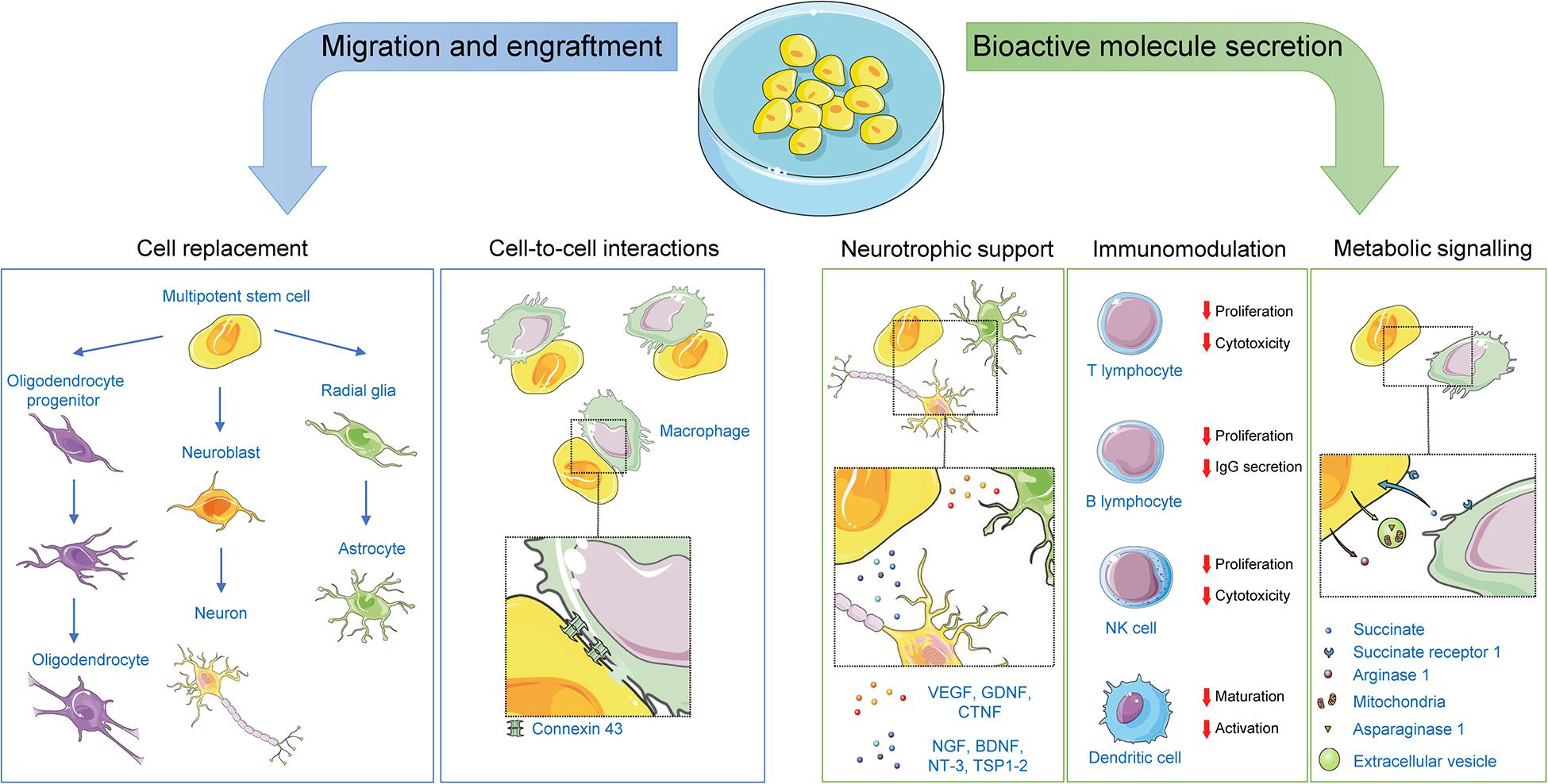
The mesenchymal stem cells transplanted during stem cell therapy can separate and grow to form brand-new cells that can take the location of the harmed cells of the worried tissue. This could recover neurological functions in people with this problem. These advantages of stem cell treatment are more sustained by the capability of MSCs to promote recovery.People with multiple sclerosis are typically treated with mesenchymal stem cells. These are multipotent stem cells that have the ability to set apart and mature to create a variety of cell kinds in the body. Once transplanted, these stem cells can create to form healthy and balanced nerve cells thus sustaining the regrowth of the damaged cells of the nerves.
As soon as transplanted, the stem cells move to locations of inflammation or damage within the main nerves (CNS). They are normally drawn in to the websites of injury where the immune system is attacking the myelin sheath, the safety treatment of nerve fibers. The stem cells function by promoting the repair service and regrowth of damaged myelin, possibly bring back function to influenced nerve cells.
Rumored Buzz on Regenerative Medicine For Multiple Sclerosis
Stem Cell Research Study on MS The National Several Sclerosis Society, along with other companies, is proactively funding and supporting research study right into mesenchymal stem cell treatment for numerous sclerosis to explore their prospective and enhance therapy protocols. The goal is to establish more secure and much more reliable means to use stem cells in treating MS.
Excitement About Regenerative Medicine For Multiple Sclerosis
Here are below from evaluations of people Swiss Medica clinic. The client took a trip from Romania looking for treatment for MS after listening to favorable feedback regarding stem cell treatment for the condition.
Get a complimentary online assessment to learn just how stem cells will work for your situation, and what are the period and price of the treatment. Uccelli, A., Laroni, A., Brundin, L., Clanet, M., Fernandez, O., Nabavi, S. M. Regenerative Medicine for Multiple Sclerosis., Muraro, P. A., Oliveri, R. S., Radue, E. W., Sellner, J., Soelberg Sorensen, P., Sormani, M. P., Wuerfel, J. T., Battaglia, M
Stem cells are cells in the body that can mature into specialized right into that serve a specific functionParticular There are two major kinds of stem cells: embryonic stem cells and adult stem cells.
are discovered in some adult cells and body organs including the bone marrow, skin, blood, and brain. Grown-up stem cells are not as flexible as beginning stem cells and are as a result a lot more limited in regards to the sorts of cells they grow into. The one-of-a-kind homes of stem cells offer pledge for new treatments that can slow/halt MS disease activity and repair tissue damage in the central nervous system.
Get This Report about Regenerative Medicine For Multiple Sclerosis

The treatment includes click resources accumulating stem cells from an individual's own (autologous) bone marrow. The person is then treated with radiation treatment to deplete the immune system and stem cells are reestablished right into the body where they grow into new, healthy and balanced immune cells - Regenerative Medicine for Multiple Sclerosis. Stem cells can be infused right into the body in various methods

In 2000, the MS Culture of Canada and MS Scientific Research study Foundation moneyed a medical trial entailing HSC transplants, led by Drs. Mark Freedman and Harry Atkins from the Ottawa Health Center Research Institute/University of content Ottawa. The aHSC therapy available in Canada is a treatment that uses high-dose chemotherapy, additionally called conditioning.
Rumored Buzz on Regenerative Medicine For Multiple Sclerosis
Neural stem cells (NSC) are discovered in the brain and can develop into numerous kinds of brain cells including nerve cells, oligodendrocytes, and astrocytes. NSCs may offer to fix or secure the brain and regulate the immune system. Early clinical tests in non-human primates demonstrated that therapy with NSCs benefitted the progression of MS-like disease in pet designs.
The results from these safety and security studies are positive for future stem cell and regenerative medication treatments in MS. Future professional trials (phase 2 and 3) with larger varieties of individuals and controls are required to examine the effectiveness of this treatment for MS. As shown by the examples over, there is a large selection of research study happening that will supply added solutions regarding using stem cells to treat MS.
Stem cell therapy is considered secure, yet, like any type of medical treatment, it carries some threats, such check this as temporary swelling or discomfort at the injection site. Significant side effects are rare when carried out by qualified professionals.
Regenerative Medicine For Multiple Sclerosis - An Overview
Multiple sclerosis (MS) is a chronic disease of the main nervous system that affects the brain and back cord. It is identified by the destruction of myelin, a substance that covers nerve fibers, causing interruptions in interaction between the mind et cetera of the body. Signs can vary extensively and include muscular tissue weakness, vision troubles, discrepancy, and exhaustion.
Numerous sclerosis is characterized by the body immune system mistakenly assaulting the safety sheath (myelin) that covers nerve fibers, triggering communication concerns in between the brain and the remainder of the body. The disease can cause the degeneration or permanent damage of nerves. Signs vary extensively amongst patients and can consist of exhaustion, wheelchair issues, discomfort, and cognitive modifications.